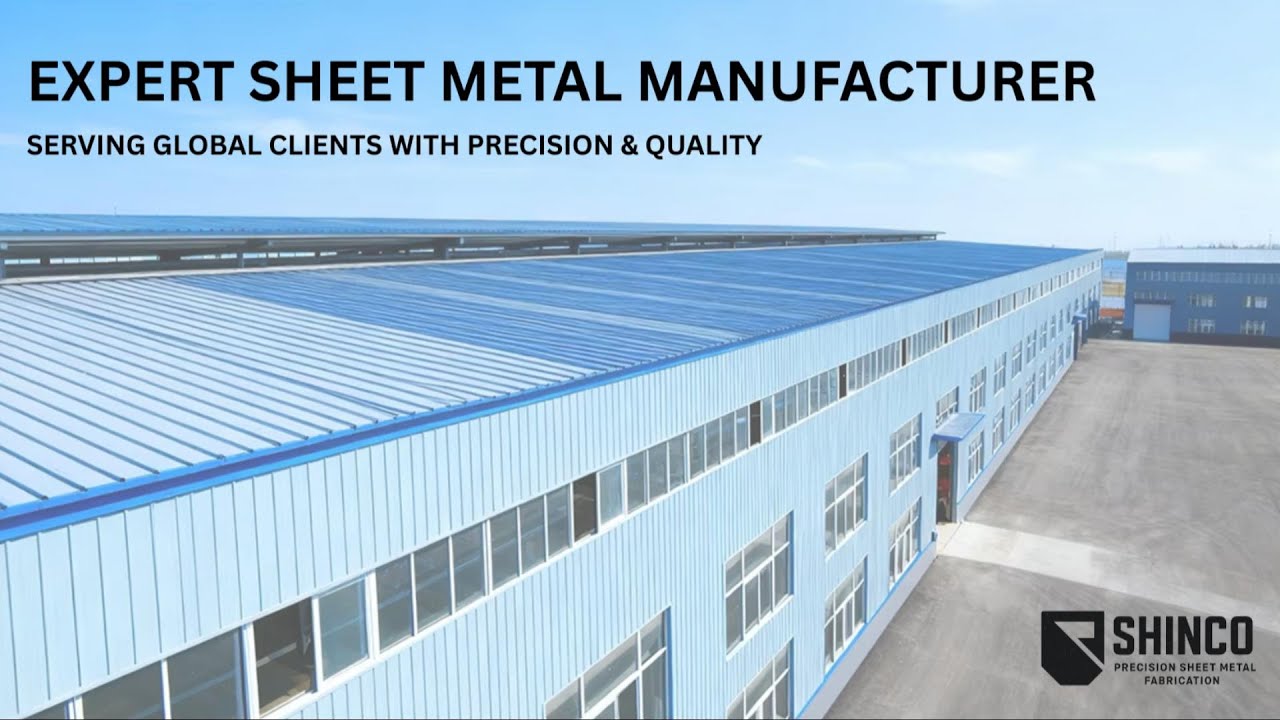
Sheet metal fabrication is the process of using flat sheets of metal to make objects such as cabinets, brackets, electrical boxes, and industrial frames. Sheet cutting, forming, welding, and finishing are performed to create final parts. There are different types of factories, some of which handle a single process, and others handle the entire production. ShincoFab meets design and size requirements across multiple stages to deliver superior performance. Each step is vital. Cutting, bending, welding, and surface finishing create durable metal parts.
CNC Cutting
One of the initial processes in metal fabrication is CNC cutting. It involves using computer-controlled machines to cut flat sheets of metal into precise shapes. This process is useful to decrease errors as the machine follows digital drawings very closely. Production at later stages runs more smoothly. ShincoFab uses CNC to cut metals such as aluminum, stainless steel, and carbon steel, ensuring precise holes, edges, and openings fit properly before bending or assembly.
Laser Cutting
Laser cutting is a technology that rapidly and efficiently cuts metal into shape using a focused beam of light. It is well-suited for simple and detailed designs. The process creates smooth edges and reduces the need for extra finishing work later. This is often the case with thin and medium-thickness metal sheets. When parts require tight tolerances or clean corners, laser cutting proves useful. It also facilitates faster production of repeat parts in larger quantities.
CNC Punching
Another tooling application utilized for cutting sheet metal is called CNC punching. The machine presses tools through the sheet rather than using a laser to form holes or shapes. This method is often used for ventilation panels, brackets, and repeated patterns. It is efficient for large production runs because the machine can repeat the same operation many times. At ShincoFab, CNC punching is used for projects that require fast production with consistent hole placement and part shapes.
Metal Bending
After cutting, many parts need to be bent to create angles and structure. Flat metal becomes boxes, frames, covers, and support parts during this stage. Bending machines apply pressure along marked lines to shape the metal. The amount of force will depend on the material and thickness. Unless bending is done properly, the metal may crack or lose its form. The correct angle and size of parts after forming can be maintained through careful setup.
Forming Complex Shapes
In some areas, more than one bend is required to achieve the final form. The parts need to be formed gradually; otherwise, they will bend during production. Electrical enclosures, machine covers, and industrial cabinets often have complex bends. Small measurement errors can affect assembly later. ShincoFab handles multi-step bending by checking dimensions during the process instead of waiting until the end of production.
Assembly Work
Many products go into assembly after being welded. The addition of fasteners, hinges, brackets, or internal supports may occur at this point. Assembly helps turn separate metal pieces into complete products ready for use. Good alignment is critical as misaligned parts can cause installation issues. At ShincoFab, Assembly is carefully monitored to ensure that the finished products are accurate and meet their intended purpose.
Surface Finishing
Surface finishing is applied to metals to preserve them and improve their appearance. Untreated metal products can get scratched, corroded, and discolored. Finishes vary based on the product’s purpose. Some finishes are supposed to prevent corrosion of metal. Other finishes are used only to improve the product’s aesthetics or texture. Powder coating, anodizing, polishing, and sand-blasting are all techniques that can be applied.
Powder Coating
To protect metal surfaces, special finishes can be applied. They are wear-, scratch-, and moisture-resistant. Power-coating is widely used as a finish on products such as industrial cabinets, equipment, and other items intended for outdoor use. The main advantage of power-coating is its durability and ability to maintain its initial form, without rusting even after washing the surface. Several types of coloration and textures can be used depending on your preferences.
Anodizing and Polishing
Anodizing protects aluminum from corrosion, and polishing makes it shiny and smooth. It is common for the final appearance to look more polished. ShincoFab uses different finishing processes depending on the product’s application.
Conclusion
Sheet metal fabrication relies on a series of related processes that must function properly. Cutting is used to form part shapes; bending is used to form structural shapes; welding is used to join parts; and surface finishing is used to protect the final product. ShincoFab handles these stages through organized production methods that focus on accuracy and consistency. These processes all facilitate the subsequent ones, guiding metal components from raw sheet material to industrial-ready products. If the fabrication steps are properly controlled, the outcome is a product that fits well, functions properly, and endures longer under actual working conditions.